The ACN – Europe workshop “Asian Ethnographic Materials in Scandinavian Museums” took place online on 16 June 2023, in partnership with Printemps Asiatique in Paris (Asian Week in Paris). It presented two case studies: a collaboration between the Museum of Ethnography in Stockholm and Taiwanese source communities; a collaboration between the National Museum of Denmark and a group of Korean creators.
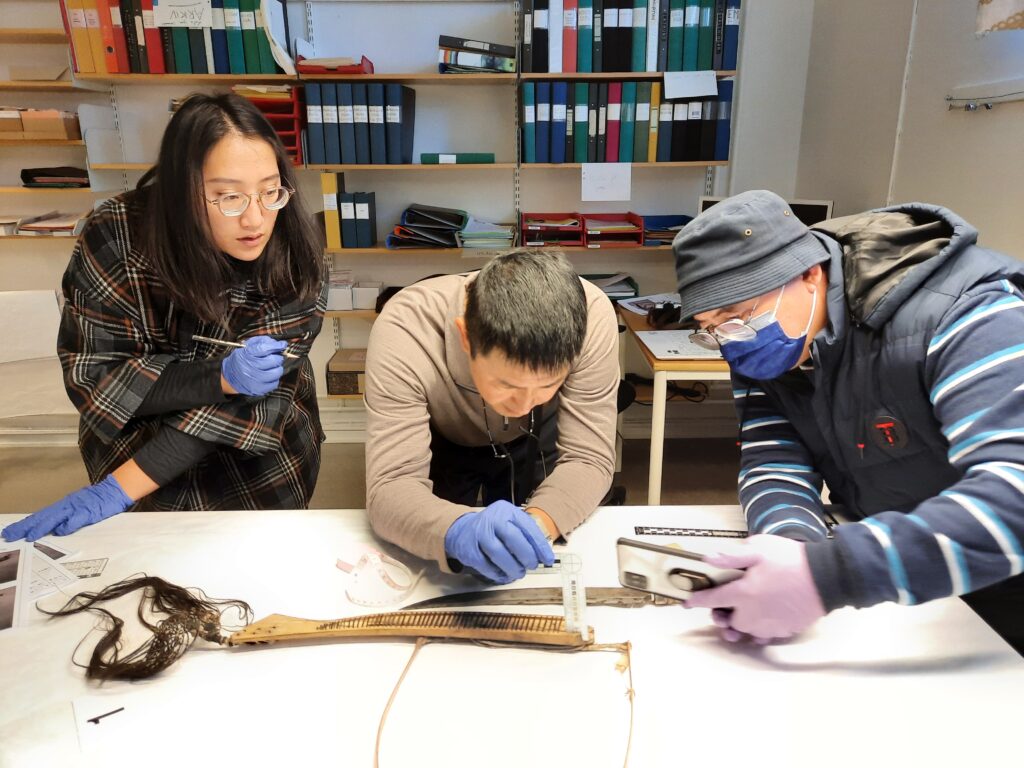
The Taiwan collections at the Museum of Ethnography in Stockholm were at the centre of the first presentation. Michel Lee (Curator of the China, Korea, and Sven Hedin collections at the National Museums of World Culture, Sweden) and Kumu Basaw (Cultural Heritage Researcher and Preservation Worker at the Indigenous Peoples Cultural Development Center in Taiwan) illustrated a case study of how to work on the collections with the cooperation of source communities.
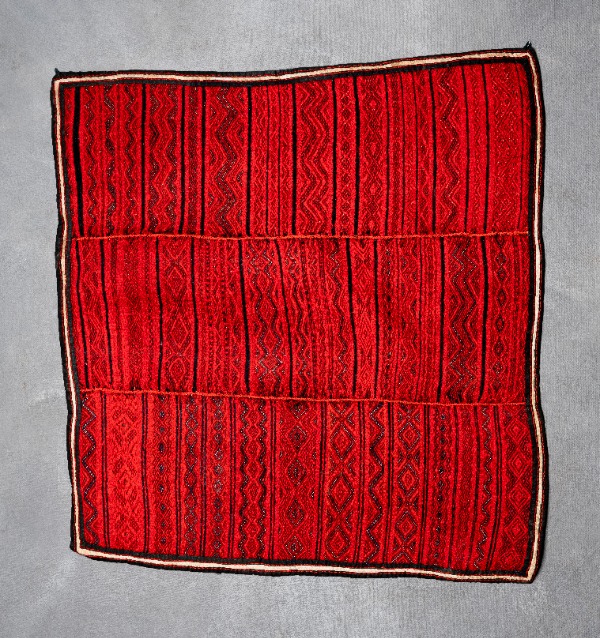
In particular, the Museum has partnered with one of the source communities, the Seediq people, in a collaborative research and exhibition project to explore experimental methodologies within the context of decolonisation and restitution.
Main points concerning the adoption of a postcolonial approach to collections:
Museum and source communities work together: to protect and gain understanding of the use and value of tangible heritage; to facilitate the transmission of traditional knowledge and ensure the survival of intangible heritage.
implementation of better practices working towards a sustainable relationship with source communities;
a responsible attitude in museum care needs to include the indigenous concept in the collection management, tackling ethically issues of colonial legacy and restitution.
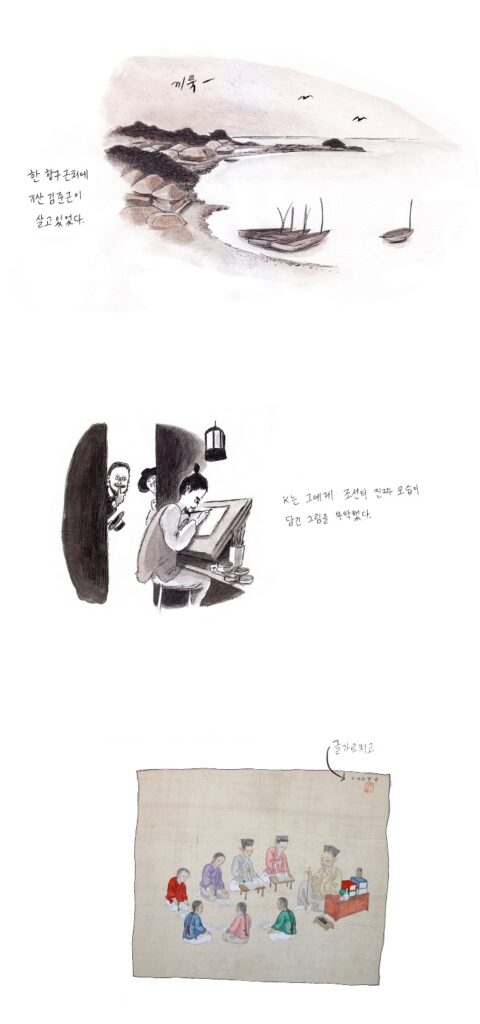
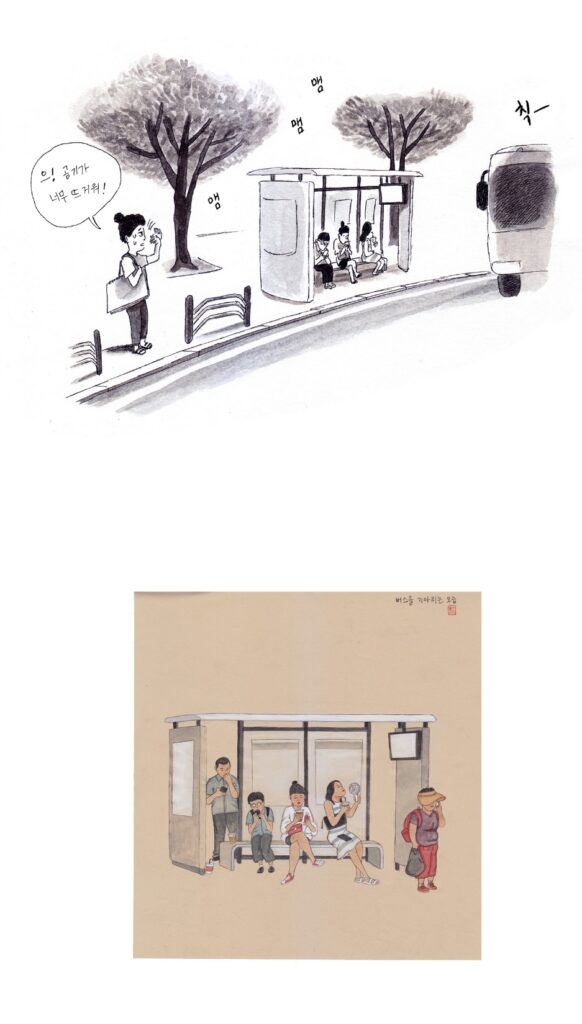
The collaboration of the National Museum of Denmark, since 2019, with a group of Korean creators (Wooh Nayoung, Ancco, Choi Hochul, Super Pink) in the Museum Manhwa project was the topic of the second presentation. Martin Petersen (Senior Researcher and Curator of the East Asian collections at the National Museum of Denmark) explored this case study from two specific perspectives. The ‘museum fiction’ perspective focuses on Korean creators, who make comics with inspiration from the Korean collection in the National Museum of Denmark. In the ‘explorer’ perspective, focus is on Korean creators, who make visual storytelling and comics with inspiration from Danish society, history and material culture with the National Museum of Denmark as facilitator.
One of the main questions at the core of the project: how can the museum approach East Asia taking into consideration the audience while overcoming stereotyped ideas of regionally or culturally representative objects?
- From the “museum fiction” perspective, the illustration of Korean culture takes into consideration: the interest in Korean popular culture in a transnational perspective;
- stereotypical and nostalgic representations of Korean cultural tradition; autobiographic references to the Korean artists;
- the use of specific tools and social media to present Korean history to children;
- a playful approach to collapsing history into present.
From the “explorer” perspective, the illustration of Danish culture by Korean artists is based on the creation of a dialogue between ways and criteria of representation that draw from different cultural traditions. For example, the artists enable a dialogue between Nordic mythology and the imagery of Choson tradition as well as between Danish animism and Korean shamanism.
The discussion was moderated by Julien Rousseau, curator of the Asian collection at the Musée du quai Branly-Jacques Chirac.
Main issues emerged with regards to the exhibition strategies that respond best to the needs of the public when displaying Asian ethnographic collections:
- how to integrate and complement permanent exhibitions and temporary exhibitions?
- How to present collections with no boundaries between the past and the contemporary?
- How to adapt to the fast changing requirements of wide audiences ensuring at the same time a diversity of offer and a dynamic presentation?
- Is the concept of permanent exhibitions still valid in this context?
[© Images 1 and 2: collaborative session at the Museum of Ethnography in Stockholm; Seediq shawl. Both courtesy of the Museum of Ethnography in Stockholm] [© Images 3 and 4: illustrations from the Manhwa Project. Both courtesy of the National Museum of Denmark]